Driven by environmental and efficiency concerns, the demand for electric construction equipment in Europe is increasing. This is particularly true for compact equipment, which is often utilised in heavily populated urban environments. Although diesel engines compliant with EU Stage V emissions standards may meet the strictest regulations, contractors are looking to gain an advantage in tenders by demonstrating their sustainability credentials.
There are many challenges for manufacturers to meet the demand for zero-emission battery-powered equipment, however. These include technical issues concerning practical applications, such as the high cost of batteries, long charging times and short operation capacities.
Size matters
In addition, for compact equipment, installing the battery tends to increase the overall size of the machine. This then eliminates the primary advantage of compact machines – their ability to work in confined spaces. However, reducing the size of the battery to fit inside the machine may not ensure sufficient operating times.
Despite these challenges, it is widely considered easier to develop electric versions of smaller models due to the size of the battery required. It’s not surprising therefore that mini excavators are leading the field in this regard.
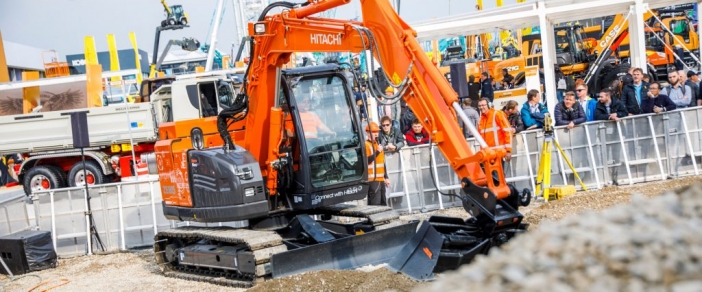
At Bauma 2019, numerous electric excavators were on display for the first time, including the zero-emission Hitachi two-tonne ZE19 and eight-tonne ZE85. The two concept models were developed by the European Application Center GmbH (EAC), a joint venture between Hitachi Construction Machinery Co., Ltd (HCM) and KTEG, the special application development company of Hitachi’s German dealer, Kiesel.
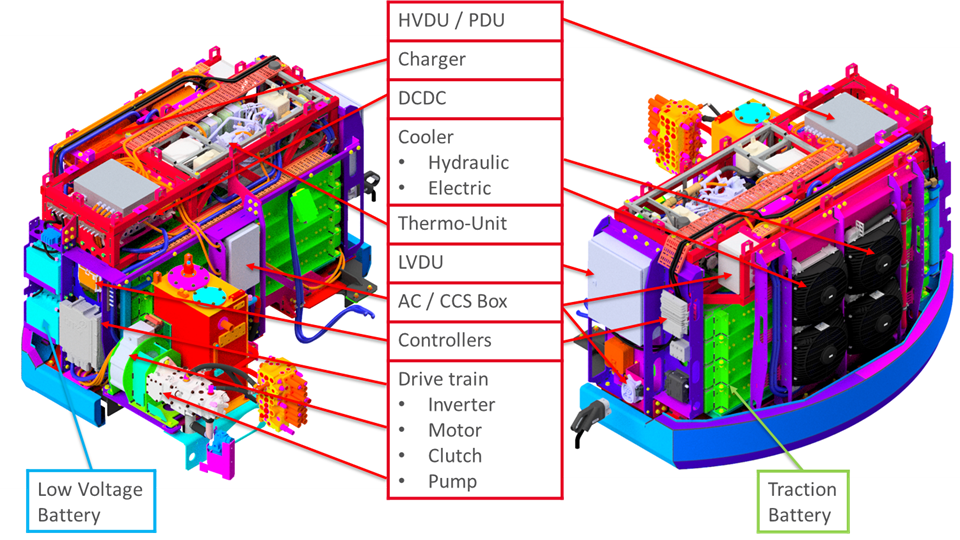
[The electrical scheme of the Hitachi ZE85US.]
Solutions for the future
Both excavators are built with high-quality battery systems to ensure a long lifetime and rapid charging. With one hour’s charging time, they are capable of working for more than four hours. They are also exceptionally quiet compared to diesel-powered alternatives and safe to operate.
By joining forces with KTEG, HCM is hoping to accelerate the time to market for a full line-up of electric excavators. More recently, it announced the development of a battery-powered five-tonne mini excavator, which represents another step towards this goal.
The prototype will be used for market research by HCM, as it continues to dedicate engineering resources to EAC for the development of electric construction equipment for European contractors. It is also continuing to develop further fuel reduction of its existing compact construction equipment.
This is supported by the sharing of knowledge and expertise with other Hitachi Ltd companies, which will help the manufacturer to reduce the environmental impact of its equipment and create reliable solutions for the future.
“Electrified construction machinery is not the solution, but part of the solution towards a sustainable future,” says Burkhard Janssen, General Manager Product Management & Engineering at Hitachi Construction Machinery (Europe) NV.
Follow us
Aboneaza-te la newsleter
International
Why the future of compact equipment is electrifying
Recent Posts:
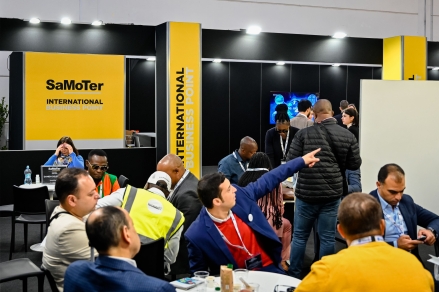
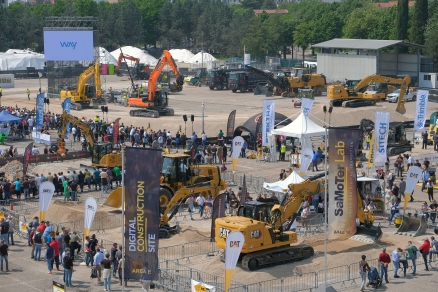
In the outdoor area of the International Exhibition 6-9 May The Triennial Construction Machinery Exhibition in Verona offers hands-on and learning experience covering the most innovative technologies for increasingly connected, automated, and safe construction sites of the future. The second editi...
Citeste mai mult
Italian construction machinery exports posted a total value in 2025 of approximately 3 billion 226 million euros, recording a slight downturn of 0.5% compared to the previous year. These results confirm the general stability of the sector, despite the challenges of international markets, global econ...
Citeste mai mult
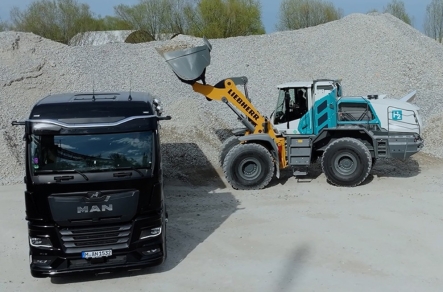
At a gravel plant in Munich, a Liebherr large wheel loader is loading trucks from MAN and Daimler Truck. What appears to be a routine operation is actually a milestone: all three machines are powered by hydrogen engines, operating largely CO2-free and setting new standards for sustainable constructi...
Citeste mai mult